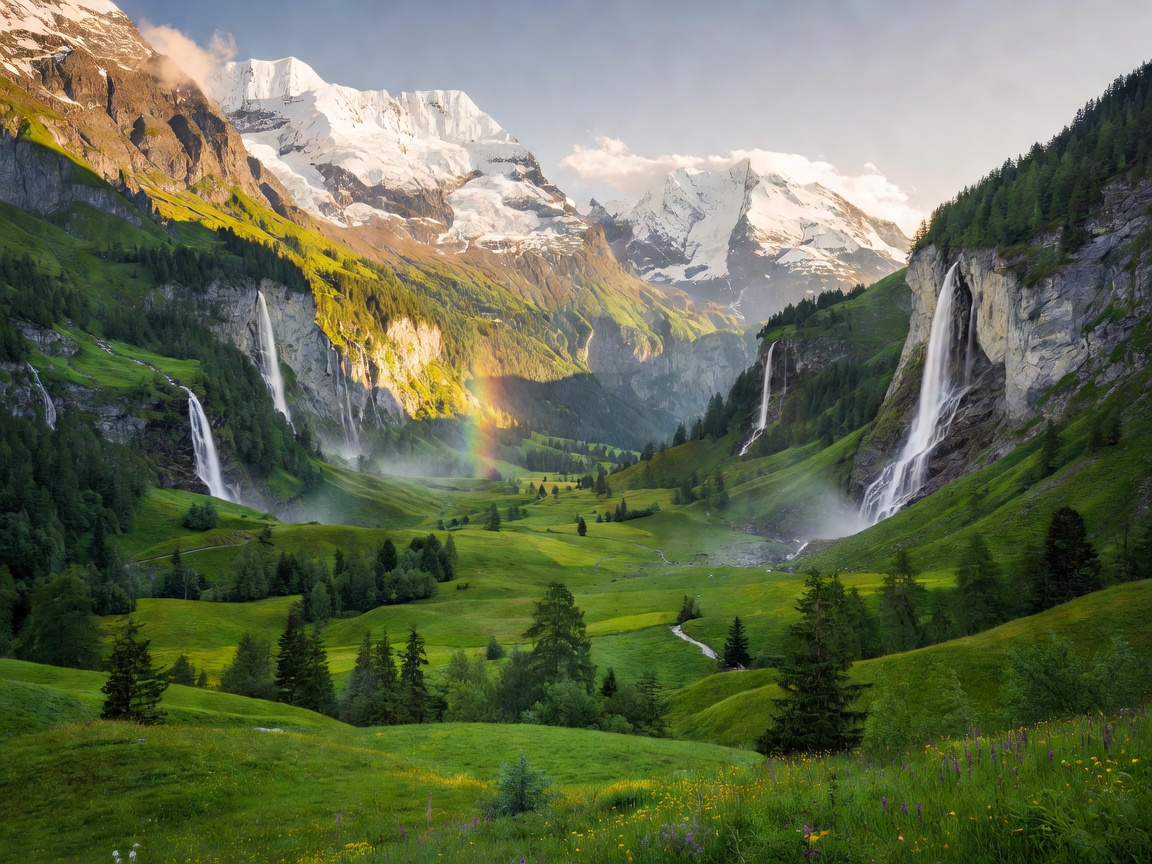
Switzerland
Interlaken
A mountain base with lakes on both sides and railways leading into the high Alps.
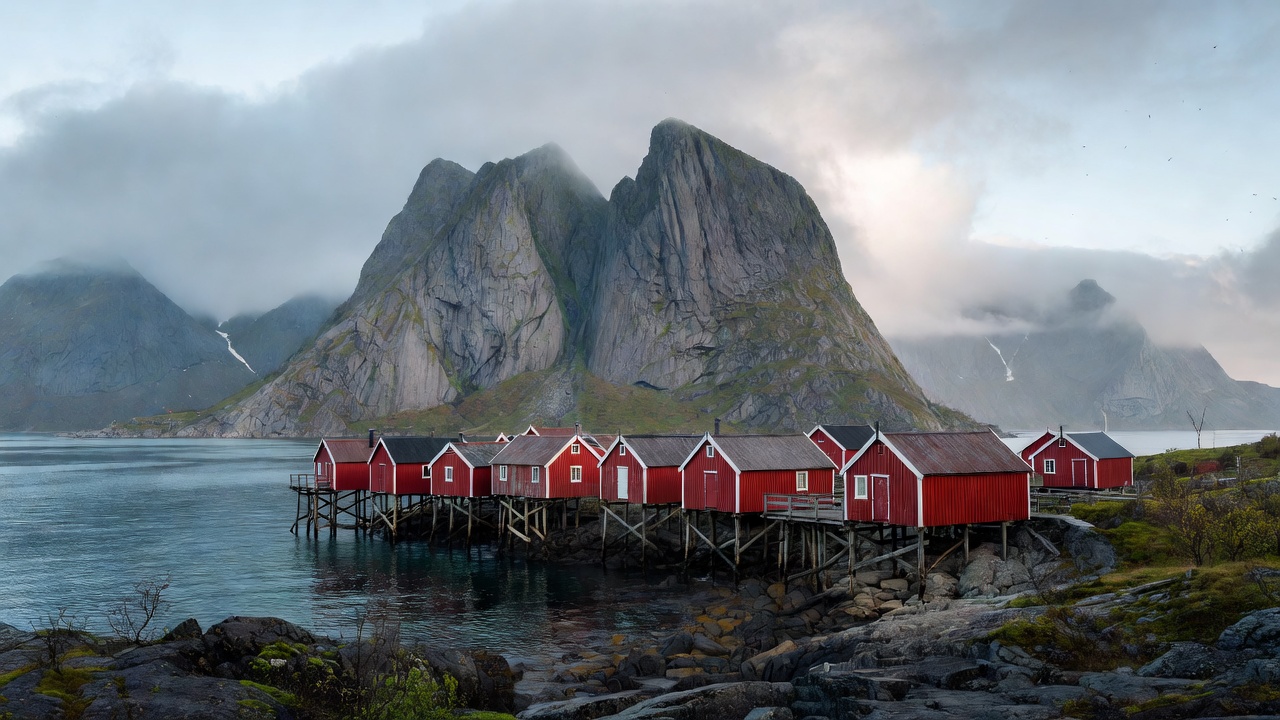
Alpine valleys, Arctic fjords, waterfall-laced lakes and sun-warmed coastlines — how to experience Europe's wild side at its best.
Chapter 01
The Alps arc across Switzerland and Austria, and they are remarkably accessible. Trains, cable cars and lake steamers mean you can reach high viewpoints without driving or technical climbing.
Interlaken sits between Lake Thun and Lake Brienz and is the classic base for the Jungfrau region. From here, mountain railways climb towards glaciers and high villages. Summer brings wildflower meadows and hiking; winter brings skiing and snow-covered valleys.
Lucerne pairs a medieval old town with lake cruises and easy access to nearby peaks. Lake Geneva, shared with France, is gentler: terraced vineyards, lakeside promenades and mild weather in spring and autumn.
Hallstatt, a UNESCO-listed village on its lake in Austria's Salzkammergut, is one of the most photographed places in the Alps. Visit early or stay overnight to enjoy it after day visitors leave. Innsbruck combines a lively city centre with cable cars that rise into the mountains within minutes.
Switzerland
A mountain base with lakes on both sides and railways leading into the high Alps.
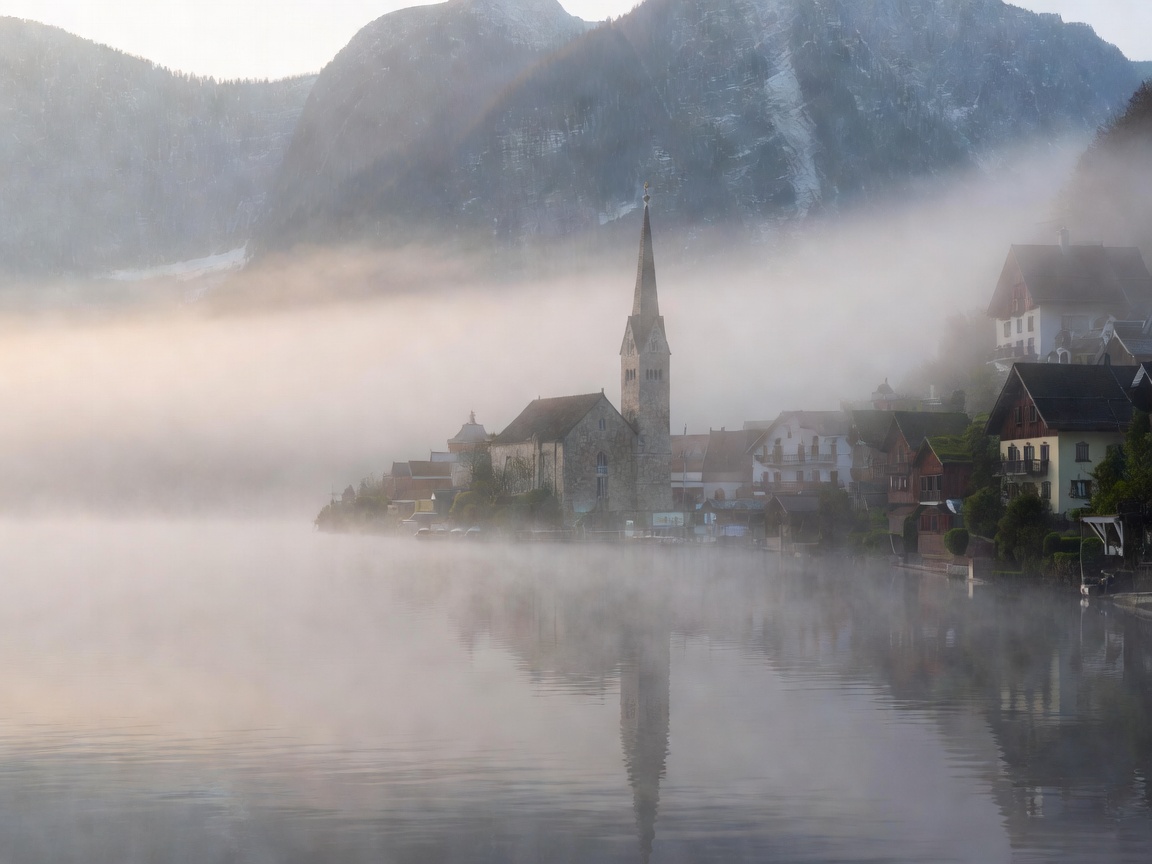
Austria
Best enjoyed early in the morning or with an overnight stay, when the lanes fall quiet.
Chapter 02
Carved by glaciers, the fjords around Bergen are the most accessible. A combination of train, boat and bus lets you see steep valley walls and waterfalls in a single day, or you can slow down with a night in a fjord village.
Located well above the Arctic Circle, Tromsø is a popular base for northern lights viewing, typically from around September to early April when nights are dark. In summer, the midnight sun keeps the sky bright around the clock.
Jagged peaks rise straight from the sea, framing fishing villages and white-sand beaches. Lofoten suits hikers, photographers and anyone happy with a slower pace. A hire car gives the most flexibility between villages.
Chapter 03
Plitvice Lakes, Croatia: sixteen terraced lakes linked by waterfalls, explored on wooden boardwalks. Arrive at opening time in summer and stay on the marked paths.
Keukenhof, Netherlands: millions of tulips and spring bulbs in bloom, open only for a few weeks each spring, usually from mid-March to mid-May.
Giethoorn, Netherlands: a village of canals, footpaths and thatched farmhouses where boats replace cars.
Sintra, Portugal: forested hills dotted with palaces and romantic gardens, an easy day trip from Lisbon.
Madeira, Portugal: an Atlantic island famed for levada walks — trails that follow historic irrigation channels through laurel forest.
Chapter 04
The French Riviera offers elegant seaside towns and pebble beaches with easy train links along the coast. The Amalfi Coast is about cliffside villages and sea views rather than long sandy beaches. Spain's Costa del Sol is sunny and well developed, ideal for relaxed beach time. Portugal's Algarve is known for golden cliffs, sea caves and sheltered coves. Croatia's Dalmatian Coast combines clear water with historic towns such as Split and Dubrovnik.
Santorini is famous for caldera views and whitewashed villages; Mykonos for beaches and nightlife; Crete, Greece's largest island, for mountains, gorges, archaeological sites and a strong local food culture. Hvar in Croatia pairs a lively harbour town with lavender fields and quiet coves, while Madeira is more about dramatic scenery than sand.
Chapter 05
For timing advice by region, see the best time to visit.