Italy
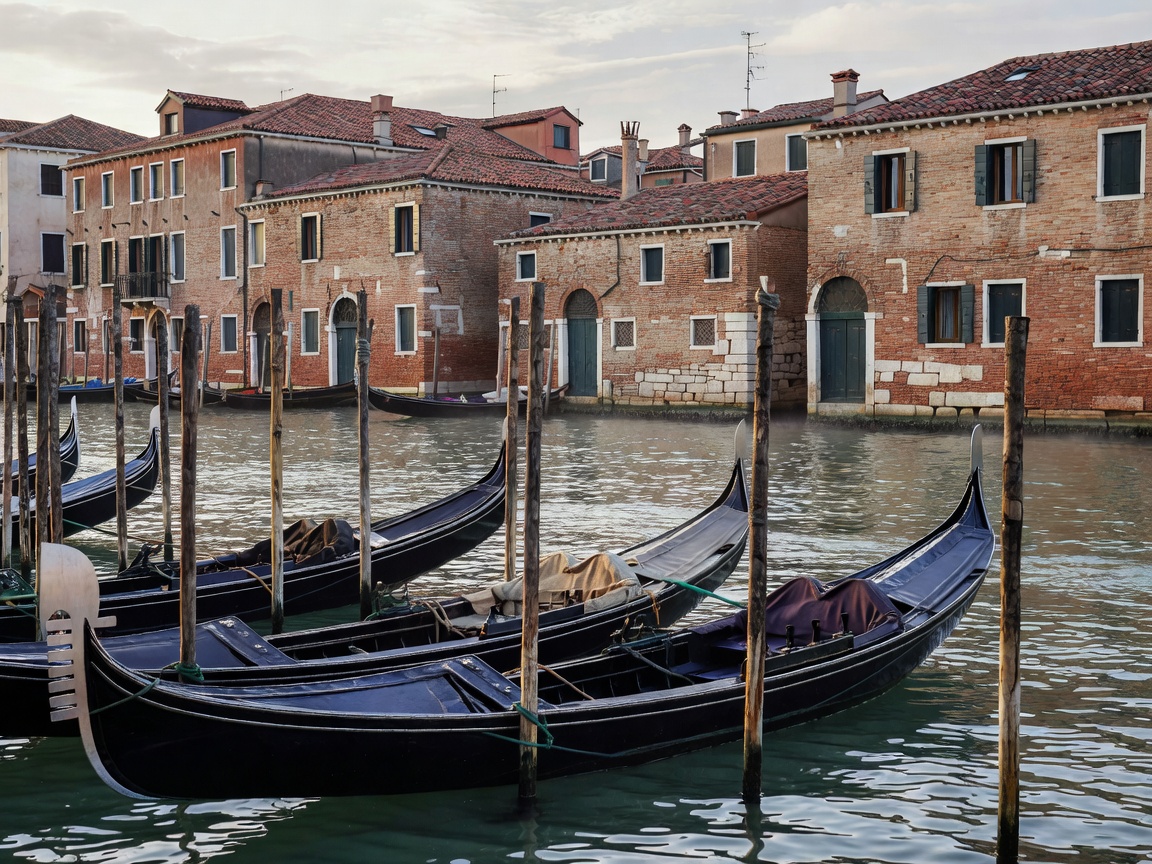
Venice by water
A public water bus along the Grand Canal is a budget-friendly alternative to a gondola.
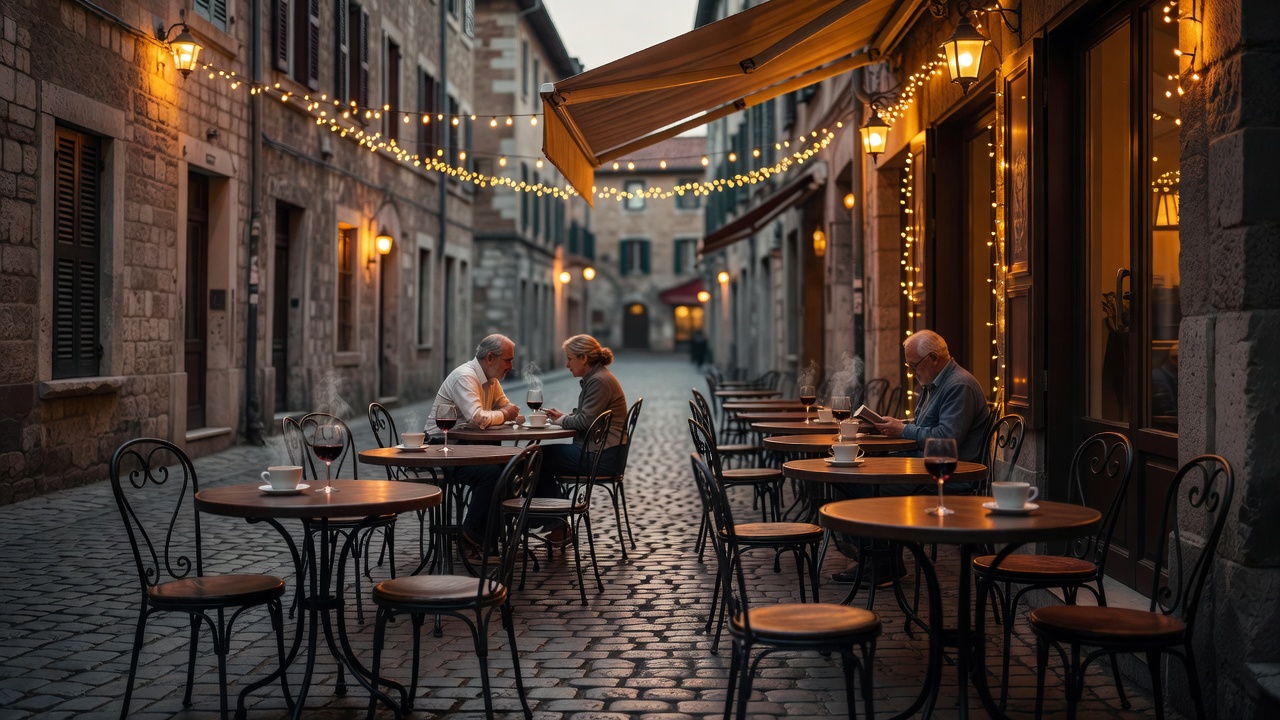
The experiences that bring each country to life, and the dishes that make every stop taste different.
Chapter 01
Pair one headline museum with a smaller one each day. The Louvre, the Vatican Museums and the Rijksmuseum are unmissable, but a two-hour limit keeps them enjoyable. Florence and Madrid are especially rich for art lovers.
Some of Europe's best views are from a boat: a gondola or vaporetto ride in Venice, a canal cruise in Amsterdam, a steamer across Lake Lucerne, a fjord cruise from Bergen or a day trip between the coves around Hvar.
Switzerland's panoramic trains, the Bergen Line across Norway's mountain plateau and the coastal roads of the Amalfi Coast are experiences in themselves. Book panoramic seats early in summer.
Watch flamenco in Seville, listen to fado in Lisbon's Alfama, attend a classical concert in Vienna or follow Mozart's footsteps in Salzburg. Evening performances are often the most memorable part of a city stay.
Walk Dubrovnik's city walls, the levadas of Madeira, the gorges of Crete or trails above Interlaken. Even in cities, a self-guided walk through neighbourhoods like Le Marais in Paris or the Jordaan in Amsterdam reveals more than any bus tour.
Italy
A public water bus along the Grand Canal is a budget-friendly alternative to a gondola.
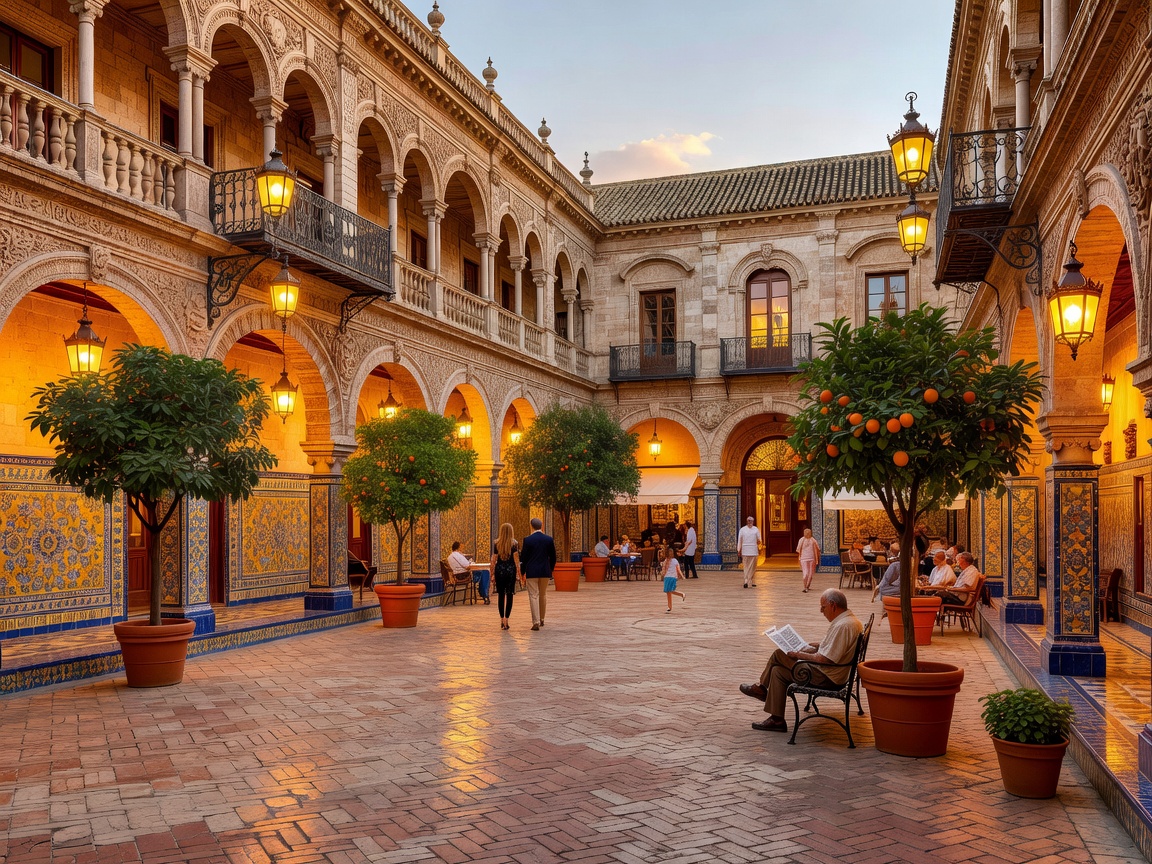
Spain
Small, intimate venues give the most powerful flamenco experience.
Chapter 02
Chapter 03
France: buttery croissants, cheese and wine in Paris, bouillabaisse and Provençal flavours on the Riviera, and the famous fluffy omelettes of Mont Saint-Michel.
Italy: carbonara and cacio e pepe in Rome, cicchetti small plates in Venice, bistecca alla fiorentina in Florence, lemons and limoncello on the Amalfi Coast — and gelato everywhere.
Spain: tapas in Barcelona, churros with chocolate in Madrid, salmorejo in Seville and grilled sardine skewers on the Costa del Sol.
Greece: souvlaki and moussaka in Athens, Santorini fava and local wines, and Cretan dakos made with barley rusks, tomato and cheese.
Switzerland: fondue, raclette and rösti, best enjoyed after a day in the mountains.
Austria: Wiener Schnitzel, Sachertorte and apple strudel in Vienna's coffee houses, and Kaiserschmarrn in the Tyrol.
Portugal: pastel de nata in Lisbon, the hearty francesinha sandwich and port wine in Porto, grilled fish on the Algarve and espetada on Madeira.
Netherlands: stroopwafels, raw herring, bitterballen and poffertjes.
Norway: fresh seafood in Bergen, brown cheese (brunost) and traditional stockfish from the Lofoten Islands.
Croatia: black cuttlefish risotto, slow-cooked peka, Dalmatian prosciutto and fresh grilled fish along the coast.
Chapter 04
Spain dines late, often after 9pm. Northern Europe eats earlier, and many Swiss and Austrian kitchens close by 10pm.
Service is often included. Rounding up or leaving a small amount for good service is appreciated but rarely expected.
Walk a few streets away from major landmarks for better value and more local menus.
In Italy, coffee is usually drunk standing at the bar, and cappuccino is traditionally a morning drink. Tap water is safe in most of Europe; ask for it if you prefer not to buy bottled water.