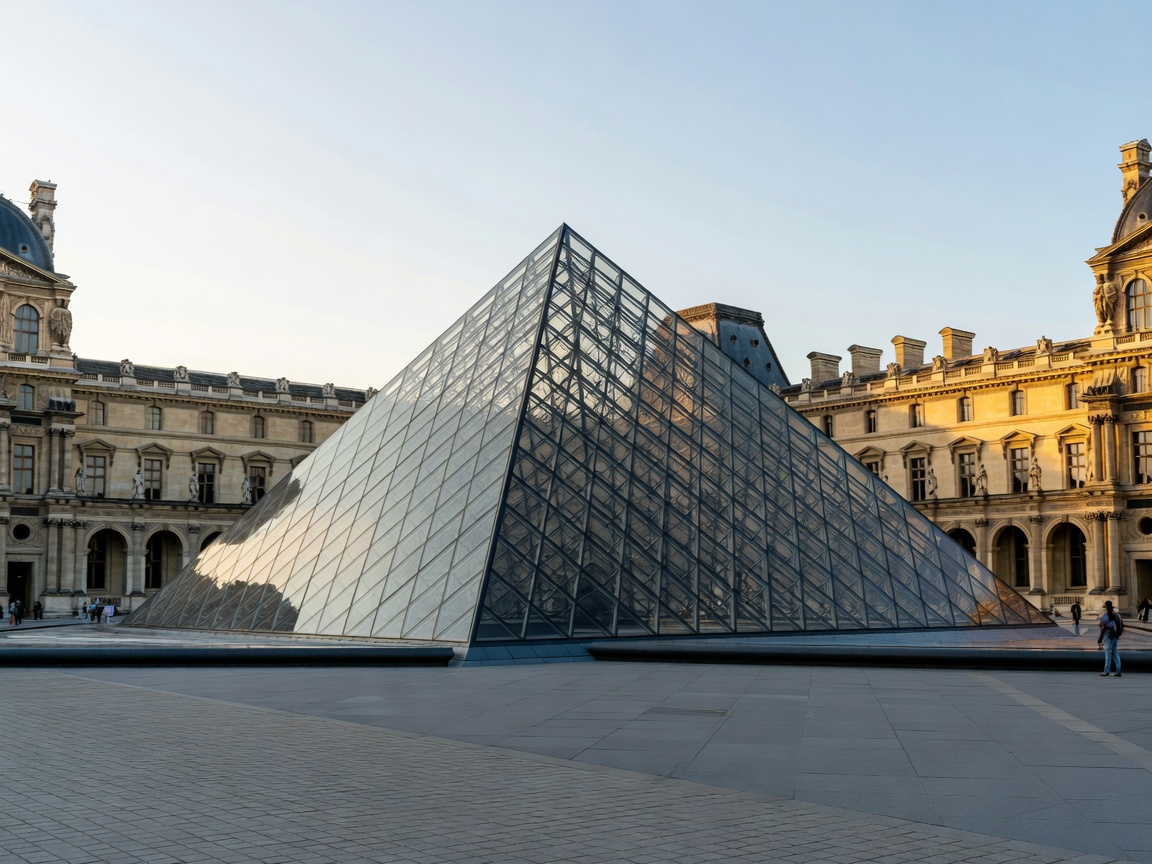
France
Paris
Allow at least three full days for the major museums, the Seine and a neighbourhood or two.
Where to go first, how to see Europe's most famous sights without the stress, and which cities suit your style of travel.
Chapter 01
The most common mistake on a first European trip is trying to see everything. Distances look short on a map, but every change of city costs half a day in packing, transfers and check-ins. The places below are the ones that repay time spent in them, grouped by country so you can build a realistic route.
France
Allow at least three full days for the major museums, the Seine and a neighbourhood or two.
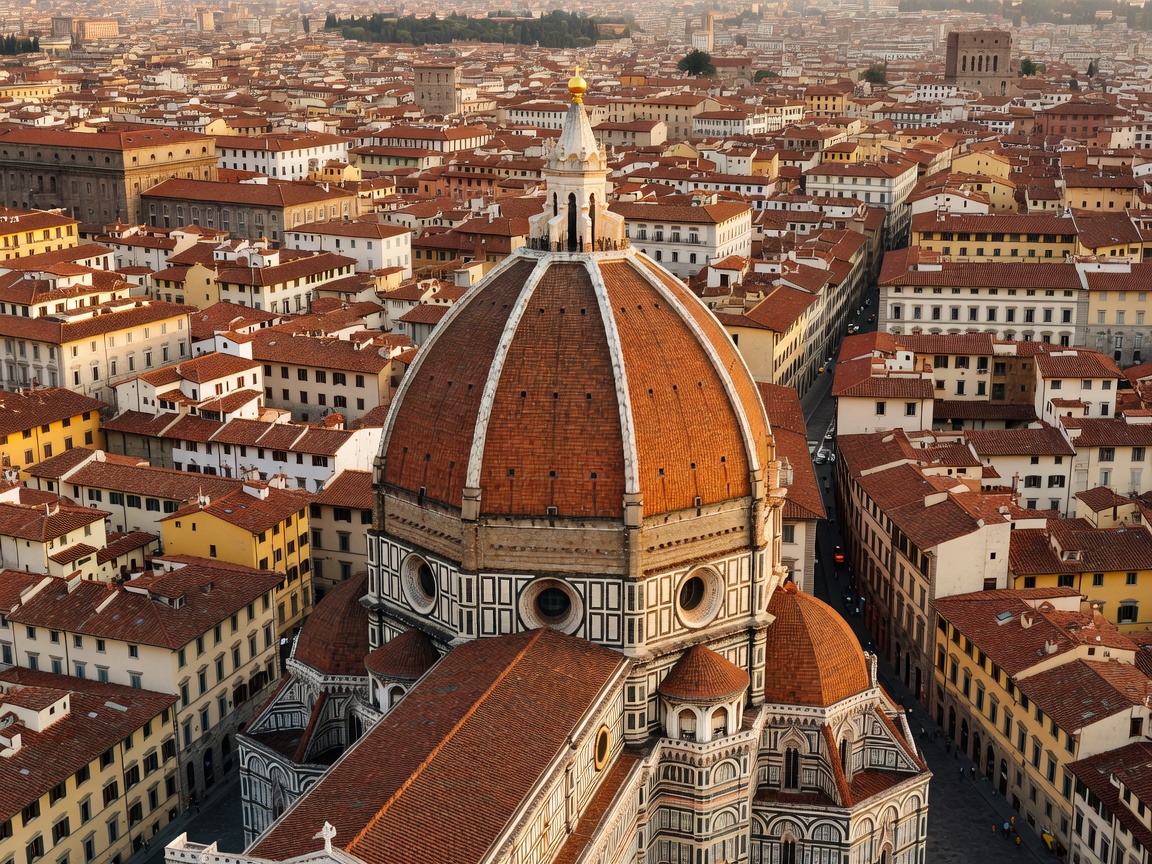
Italy
Compact and walkable, with Renaissance art on almost every corner. Two to three days suits most visitors.
Chapter 02
Europe's headline sights are popular for good reason. Most now use timed-entry tickets, so booking ahead through each landmark's official website is the single most useful thing you can do.
Built for the 1889 World's Fair, the tower has three visitor levels. The second floor offers the best balance of height and detail; the summit adds a sweeping view on clear days. Evening visits reward you with the hourly sparkle of lights after dark.
The world's most-visited art museum holds the Mona Lisa, the Venus de Milo and the Winged Victory of Samothrace. Choose two or three wings rather than attempting the whole collection in a day.
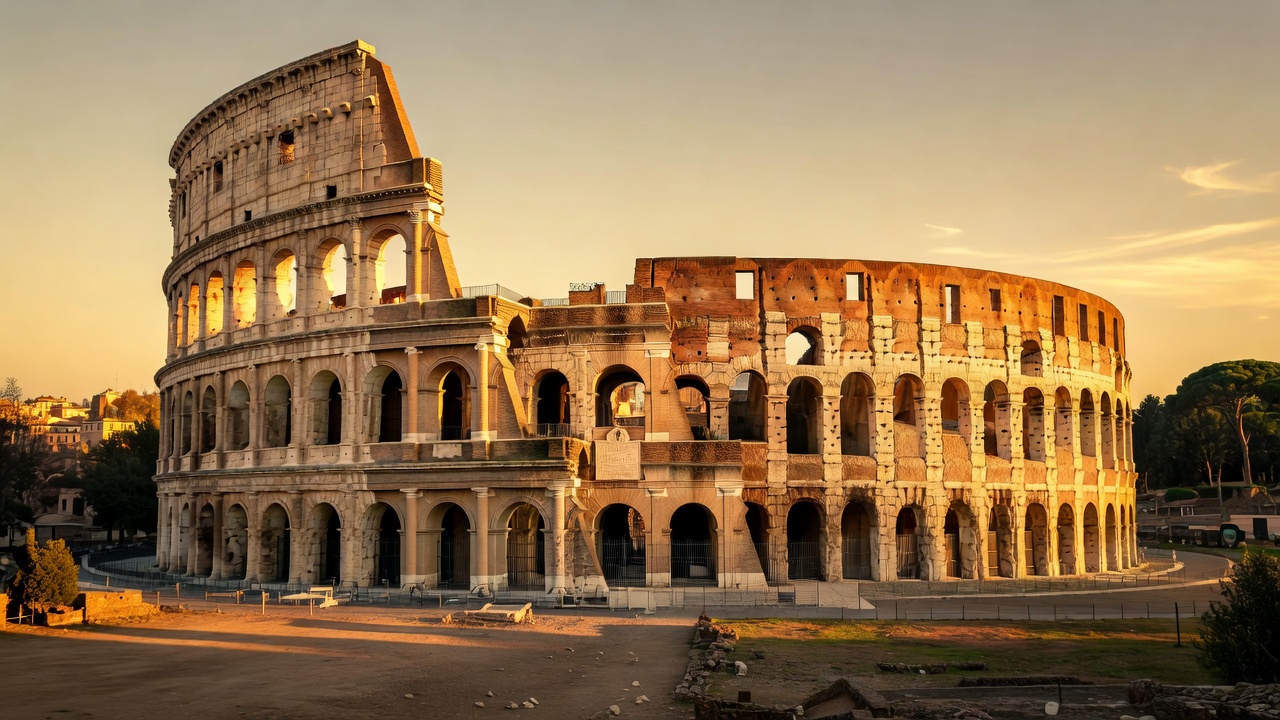
The Colosseum, inaugurated in AD 80, is usually combined with the Roman Forum and Palatine Hill. Across the river, Vatican City — the world's smallest independent state — holds St Peter's Basilica and the Sistine Chapel within the Vatican Museums. Covered shoulders and knees are required in the basilica.
Antoni Gaudí's basilica, begun in 1882 and still under construction, is at its most luminous in the late afternoon when light pours through the stained glass. Tower access is an optional add-on.
The Parthenon has crowned this rock since the fifth century BC. In summer, go at opening time to avoid the heat, then visit the Acropolis Museum at the foot of the hill.
Vienna's Schönbrunn Palace was the Habsburg summer residence, with vast gardens climbing to the Gloriette. Amsterdam's Rijksmuseum showcases the Dutch Golden Age, including Rembrandt's The Night Watch. Mont Saint-Michel, a tidal island abbey in Normandy, is reached by shuttle from the mainland — check tide times for the most dramatic views.
Chapter 03
Every great European city has a distinct rhythm. Use this table to match cities to your interests and pace.
| City | Best for | Pace |
|---|---|---|
| Paris | Art, food, architecture | Busy |
| Rome | Ancient history, piazzas | Busy |
| Florence | Renaissance art | Moderate |
| Venice | Canals, atmosphere | Slow |
| Barcelona | Gaudí, beaches, nightlife | Lively |
| Madrid | Museums, late dining | Lively |
| Seville | Moorish palaces, flamenco | Relaxed |
| Athens | Antiquity, rooftop views | Lively |
| Zurich | Lakefront, old town | Calm |
| Lucerne | Lake and mountain views | Calm |
| Vienna | Palaces, music, cafés | Elegant |
| Salzburg | Baroque old town, Mozart | Relaxed |
| Innsbruck | Alpine city life | Relaxed |
| Lisbon | Viewpoints, trams, fado | Moderate |
| Porto | Riverside, port cellars | Relaxed |
| Amsterdam | Canals, museums | Moderate |
| Rotterdam | Modern architecture | Moderate |
| Oslo | Design, waterfront | Calm |
| Bergen | Gateway to the fjords | Calm |
| Dubrovnik and Split | Old towns, Adriatic | Seasonal |
Chapter 04
Should you focus on major capitals or smaller cities? Both have trade-offs.
A strong pattern for a two-week trip is two capitals plus one smaller city — for example Rome, Florence and Venice, or Lisbon, Porto and Seville. For full routes, see our suggested itineraries.